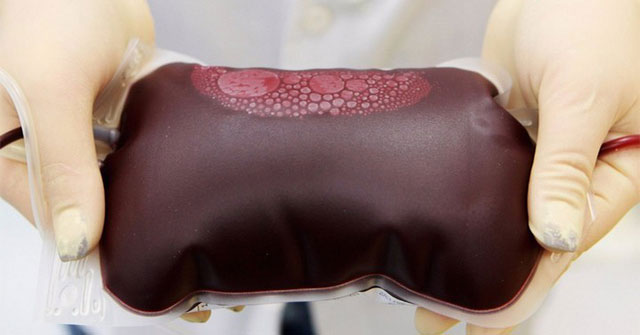
Health
Japanese scientists successfully tested artificial blood on rabbits
The good news once again raises hopes for a miraculous artificial blood, which can help save lives in times of need without worrying about anemia nowadays.
Browse ScienceInfo articles and explainers related to Artificial Blood.
27 published items.
The good news once again raises hopes for a miraculous artificial blood, which can help save lives in times of need without worrying about anemia nowadays.
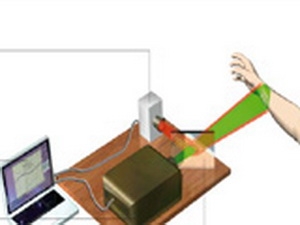
According to Japanese scientists, when creating artificial blood vessels in animals and shining blue light, this artificial blood vessel will thicken.
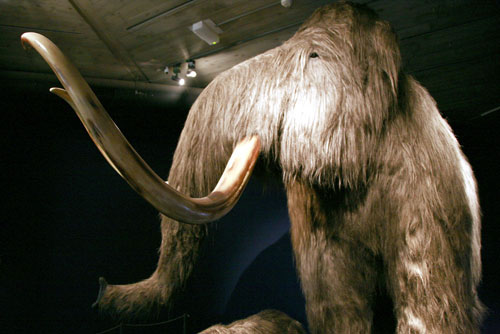
Prehistoric mammoth DNA is helping scientists develop artificial blood products for modern medicine.

British scientists have suggested considering a global patent for the type of hemoglobin, an important component in the blood they create.

For the first time in the UK, scientists have successfully developed red blood cells from embryos of artificial implants, a promising breakthrough that can produce artif…
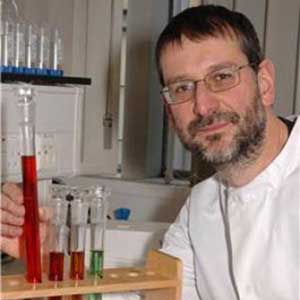
Blood sources not only meet the needs of treatment, passive and very expensive in screening and preservation. The preparation of artificial blood (MNT) to overcome these…
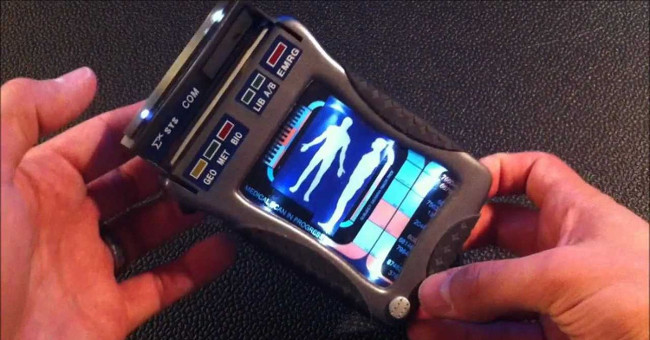
2017 marks many medical breakthroughs in the world. Let us also find out what these breakthroughs are and how they contribute to human medicine.

There will be no need for humanitarian blood donation anymore, because people are about to have an endless source of blood from the patients themselves.
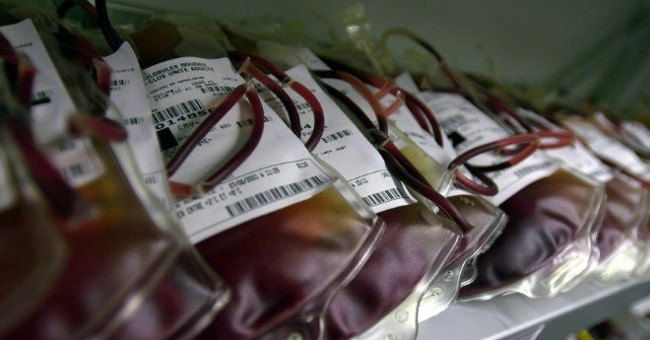
Although scientists have previously found a way to create artificial blood in the laboratory from stem cells, the amount of red blood cells is still small and immature,…

US scientists develop artificial blood cells that can be stored in powder form and transmitted to patients who need urgent blood transfusions.
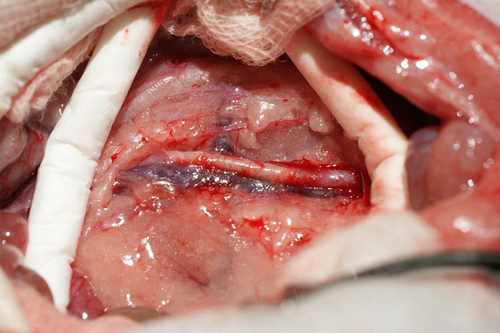
Austrian scientists created artificial blood vessels capable of biodegradation and tested successfully on mice, which could be used in heart bypass surgery.
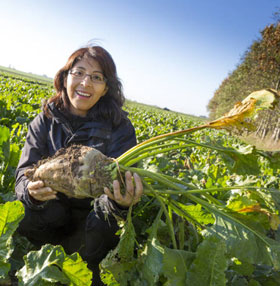
Hemoglobin in sugar beet can be used to create an artificial blood.
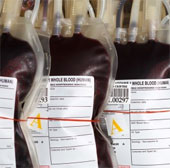
Researchers at Essex University are testing artificial blood that is not picky to recipients, avoiding the risk of infection.
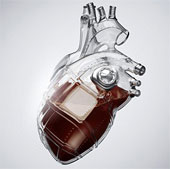
Artificial blood may replace donor blood in transfusions - researchers at the University of Edinburgh.
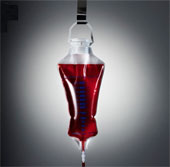
Romanian scientists have invented an artificial blood, which can be used in humans in the future without side effects.